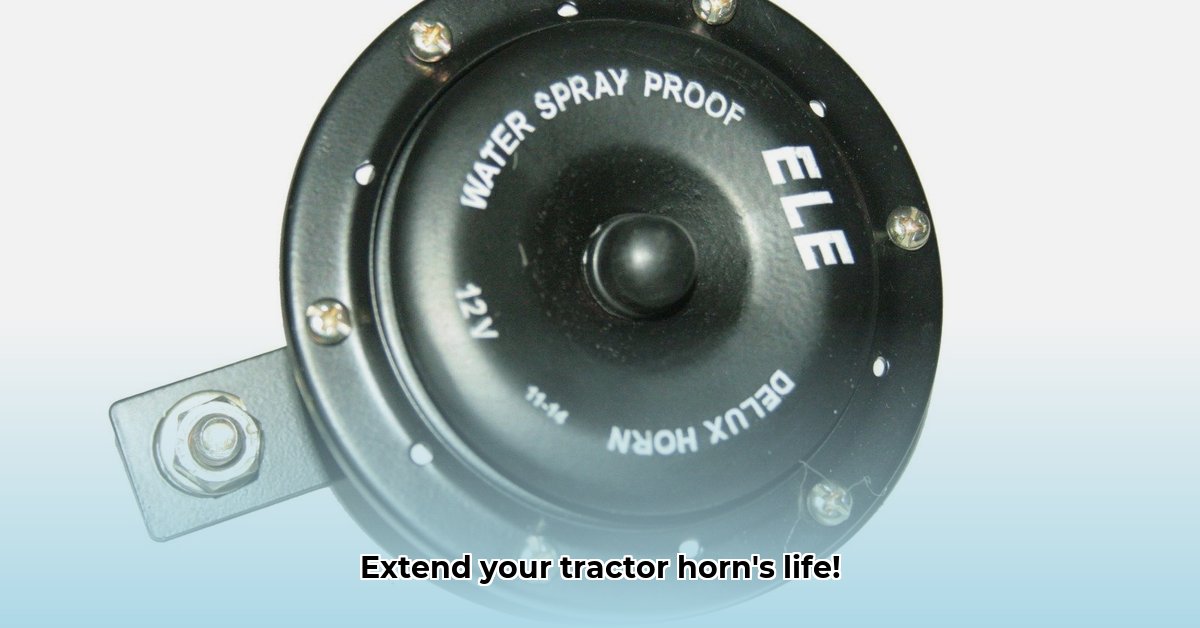
Tractor Horn: A Crucial Safety and Sustainability Element
Your tractor's horn is more than just a noisemaker; it's a critical safety component and a key element of your farm's communication system. A reliable horn ensures you can alert others to your presence, preventing accidents and promoting a safe working environment. However, a frequently failing horn translates to downtime, repair costs, and potentially, environmental impact from discarded parts. This guide explores practical strategies to extend your tractor horn's lifespan and adopt sustainable practices. For unexpected situations, learn how to recover a submerged tractor.
Giving Your Tractor Horn a Health Check: A Farmer's Guide
Proactive maintenance is key to preventing costly repairs. Regular inspections can catch minor issues before they escalate. Here's a simple, actionable checklist:
Visual Inspection: Carefully examine the horn for any visible damage such as cracks, rust, or dents. Pay close attention to the diaphragm (the vibrating component producing the sound).
Sound Test: Sound the horn. Does it produce a strong, clear sound? A weak, sputtering, or distorted sound indicates potential internal problems needing immediate attention.
Wiring Check: Inspect the wiring for breaks, loose connections, or corrosion. These issues interrupt the electrical signal, silencing the horn.
Mounting Security: Ensure the horn is firmly attached to the tractor. A loose horn vibrates excessively, accelerating wear and tear.
The Secret to a Long-Lasting Tractor Horn
Several factors contribute to a horn's longevity. Making informed choices and practicing diligent care significantly impact its lifespan.
Material Matters: The horn's material is crucial. Rust-resistant, durable materials (like certain alloys or treated plastics) inherently last longer than less robust alternatives.
Cleanliness is Key: Regularly cleaning mud, dust, and debris prevents corrosion and maintains optimal functionality. A simple wipe-down after use prevents buildup.
Environmental Protection: Consider applying a protective coating (like rust-inhibitor paint) to shield the horn from harsh weather conditions, extending its service life.
Correct Installation: Proper installation minimizes stress on the horn, preventing premature failure. Consult your tractor's manual for specific instructions.
Sustainable Practices: The Eco-Friendly Approach to Tractor Horns
Sustainability extends beyond the horn's operational life; it encompasses its entire lifecycle.
Recycling: Many horn components are recyclable. Check with your local recycling center for proper procedures. Recycling reduces landfill waste and minimizes environmental impact.
Repair over Replacement: Repairing a damaged horn is often more cost-effective and environmentally friendly than purchasing a replacement. This conserves resources and reduces waste.
"Prioritizing repair over immediate replacement significantly reduces the environmental burden associated with manufacturing and disposal," says Dr. Anya Sharma, Environmental Engineer at the Sustainable Agriculture Institute.
What the Future Holds for Tractor Horns
Technological advancements are shaping the future of tractor horns. The industry is exploring:
- Sustainable Materials: Research focuses on developing more durable and environmentally friendly materials for horn construction, reducing reliance on resource-intensive manufacturing.
- Integrated Safety Systems: Future systems may combine acoustic signals with visual alerts, enhancing safety and potentially mitigating noise pollution. These advanced systems could even automatically adjust sound intensity based on environmental factors.
Actionable Steps for a Sustainable Tractor Horn Strategy
Here's a concise, actionable plan to maximize your tractor horn's lifespan and embrace sustainable practices:
Regular Inspections (Monthly/Quarterly): Integrate regular inspections using the checklist above into your routine tractor maintenance. Early detection of problems avoids major repairs.
Prompt Attention to Minor Issues: Address small problems immediately. Neglecting minor issues can lead to more extensive, costly repairs.
Sustainable Material Selection: When replacing a horn, select models made from recycled or sustainably sourced materials to reduce environmental impact.
Responsible Disposal: Always dispose of old horns responsibly, prioritizing recycling whenever possible.
By adopting these measures, you’ll not only extend your tractor horn's lifespan, boosting farm safety and efficiency but also contribute to a more sustainable agricultural future. Remember, a well-maintained horn is a safer horn, and a safer horn is a more sustainable choice.
How to Choose Eco-Friendly Tractor Horns for Sustainable Farming
Key Takeaways:
- Durable, efficient horns reduce downtime and material consumption.
- Eco-friendly materials minimize environmental impact through reduced reliance on virgin resources and improved recyclability.
- Sound level and range should be balanced for optimal safety and minimal noise pollution.
- Regular maintenance extends the horn's lifecycle, minimizing waste and replacement costs.
- Sustainable practices benefit the environment and contribute to long-term cost savings.
Choosing an environmentally responsible tractor horn isn't just a matter of ecological consciousness; it’s a smart, economically sound investment. Let's explore how to select an eco-friendly horn for sustainable farming.
Material Matters: Sustainable Horn Construction
The horn's casing material significantly influences its environmental footprint.
- Recycled Content: Opt for horns made from recycled plastics or aluminum. This minimizes the demand for virgin materials.
- Bioplastics: Consider bioplastics, derived from renewable plant sources, as a more sustainable alternative to traditional plastics.
- Durable Metals: If choosing metal, aluminum is preferable to steel because it requires less energy to produce and is highly recyclable.
Prioritize horns built to last; a long-lasting horn ultimately generates less waste over its lifecycle.
Sound and Sustainability: Achieving the Right Balance
A horn's loudness and range impact the environment and its operational efficiency. Excessive loudness is not always safer; clarity and effective range are paramount.
- Sound Level: The horn should be loud enough to be clearly heard in various conditions, but excessive noise contributes to pollution.
- Range: Choose a horn with sufficient range, ensuring it can effectively alert others within a reasonable distance.
A well-designed horn, heard clearly at a reasonable distance is far more effective than an unnecessarily loud blast.
Maintenance for Longevity: Extending the Horn's Useful Life
Regular maintenance significantly extends a horn's life, reducing the need for frequent replacements and associated waste.
- Routine Inspections: Regularly check for damage and corrosion, addressing minor issues promptly.
- Cleaning: Clean away mud and debris to prevent corrosion and maintain optimal functionality.
- Professional Servicing: If needed, consult a qualified technician for professional servicing, preventing costly repairs.
Responsible maintenance is an integral part of sustainable farming practices.
The Long View: Sustainable Choices and their Long-Term Impact
Choosing a sustainable tractor horn offers both environmental and economic benefits:
- Reduced Waste: Durable, long-lasting horns minimize material waste and disposal costs.
- Lower Maintenance: Careful selection and diligent maintenance reduce downtime and costly repairs.
Sustainable agriculture is about making informed decisions across the board. The choice of your tractor horn is a perfect example of this approach.